
Articles
Sex Hormones Explained: How They Work in Women and Men
Women and men share sex hormones. Learn how glands, enzymes and receptors shape their effects, why levels vary, and why a blood test needs context.


By hghthai.com Editorial Team
Medical-content notice: This guide provides general education. It cannot diagnose you, select tests or treatment for you, or replace individual care. Do not start, stop, or change prescribed hormones because of an online article. If symptoms are sudden, severe, rapidly worsening, or potentially life-threatening, seek appropriate urgent care.
The guide has four pathways. The testosterone pathway considers symptoms, timing, and confirmation with appropriate testing. The menopause pathway considers life stage, bleeding, and symptom patterns. The testosterone or anabolic-steroid pathway supports people considering use, currently using, or formerly using, as well as concerned partners or parents. The adult growth hormone deficiency pathway starts with relevant pituitary context and specialist testing. Symptoms alone do not diagnose a hormone condition.
Hormones influence sexual and reproductive function, menstrual patterns, temperature regulation, bone, muscle, sleep, mood, and metabolism. A change in any of these areas may deserve attention. It does not, by itself, prove that a hormone is low or that hormone treatment is the answer.
This guide focuses on four questions: possible testosterone deficiency in men; perimenopause and menopause; current or previous testosterone or anabolic-androgenic steroid exposure; and adult growth hormone deficiency in an appropriate pituitary or hypothalamic setting. Thyroid disease, prolactin disorders, pregnancy-related change, ovarian conditions, under-fuelling, medicines, and other endocrine or non-endocrine causes appear as alternative or coexisting explanations. The article does not diagnose a general condition called “hormone imbalance.”
Hormone-related symptoms are rarely specific. Fatigue, poor sleep, lower sexual interest, erectile change, altered menstrual patterns, hot flushes, mood change, reduced concentration, and changes in muscle or body fat can each have several explanations. More than one explanation may be present.
A responsible assessment begins with the pattern: what changed, when it changed, how it affects daily life, and what reproductive, medical, medicine, sleep, nutrition, or substance context surrounds it. Testing then answers a particular clinical question. It is not a search for one “optimal” number.
The pathway differs by question. Suspected male hypogonadism generally requires compatible symptoms or signs and consistently low testosterone measured under appropriate conditions. Typical perimenopause in an otherwise healthy person aged 45 or older is often identified clinically rather than through a broad hormone panel. Adult growth hormone deficiency is a specialist diagnosis that commonly requires stimulation testing. Nonmedical testosterone or anabolic-steroid exposure changes both health risks and the meaning of laboratory results.[1, 2, 9, 20, 21]
In 60 seconds: symptoms can justify assessment, but they cannot identify the hormone, cause, or treatment. Define the pattern, consider alternatives, use targeted tests when they will change care, and keep diagnosed replacement separate from anti-aging or physique use.
This self-contained orientation explains the four pathways deeply enough to prepare for an informed appointment. Thyroid disease, hyperprolactinaemia, PCOS, hypothalamic amenorrhoea, anemia, sleep apnea, depression, pregnancy, chronic illness, and other alternatives appear only where they may resemble or coexist with the question; each has its own diagnostic process. The guide also separates persistent concerns for planned assessment from sudden or severe symptoms that should not wait.
Use the table of contents to enter the male, perimenopause or menopause, testosterone/AAS, or adult-GHD pathway. If you are unsure, begin with the symptom-pattern matrix and responsible-assessment steps. Partners and parents can use the support section; urgent symptoms belong with the urgent-care section, not a routine pathway.
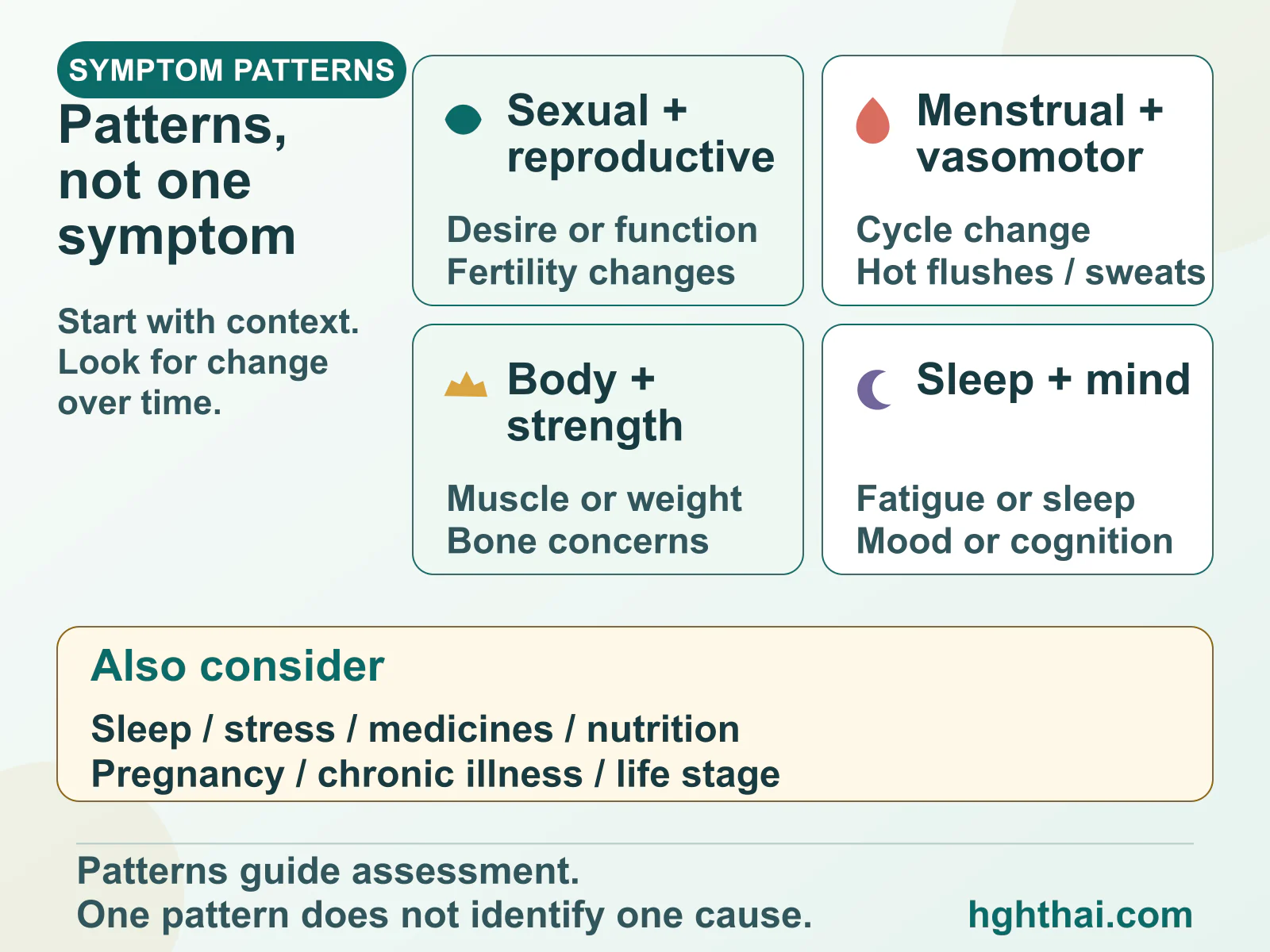
A clinician may organize changes into sexual and reproductive symptoms, menstrual and vasomotor symptoms, body-composition or strength concerns, and sleep, fatigue, mood, or cognition concerns. The same pattern may have other explanations, including sleep problems, stress, medicines, nutrition, pregnancy, chronic illness, and life stage. The pattern is a starting point for assessment, not a diagnosis.
The purpose of this matrix is not to count symptoms. It is to show how the same change can lead to different questions. A cluster, timing pattern, examination finding, or relevant medical history may make one hormone-related question more reasonable, but no row proves a diagnosis.
| Change you may notice | When a defined hormone-related question may become more relevant | Common alternative or coexisting explanations | Appropriate next step |
|---|---|---|---|
| Lower sexual interest, fewer spontaneous erections, erectile difficulty, vaginal dryness, pain with sex, or other sexual change | Persistent sexual symptoms may contribute to a male hypogonadism assessment; dryness, burning, pain, and urinary symptoms may fit genitourinary syndrome of menopause | Vascular disease, medicines, pain, sleep loss, depression or anxiety, relationship context, pelvic-floor or dermatological conditions, infection, and other causes | Record the pattern and medicines; seek an assessment that considers sexual, reproductive, physical, and psychosocial factors |
| Changed menstrual timing, missed periods, very heavy bleeding, or bleeding after menopause | A changing cycle plus vasomotor symptoms may fit perimenopause; younger age, prolonged absent periods, or a surgical history changes the question | Pregnancy, contraception, fibroids or other structural causes, thyroid or prolactin disorders, PCOS, under-fuelling, illness, and medicines | Keep a cycle and symptom timeline; pregnancy possibility, unusual bleeding, younger age, or postmenopausal bleeding warrants targeted assessment |
| Hot flushes or night sweats | A characteristic vasomotor pattern during a changing menstrual transition can support a perimenopause discussion | Infection, medicines, alcohol, anxiety, sleep environment, thyroid disease, and other medical causes | Discuss the pattern, cycle context, sleep effect, and treatment preferences rather than ordering a broad panel automatically |
| Reduced muscle, altered body fat, lower exercise capacity, or slower recovery | These changes can accompany a confirmed deficiency or nonmedical hormone exposure, especially with other compatible evidence | Training change, low energy or protein intake, illness, injury, medicines, sleep loss, aging, and cardiopulmonary disease | Review training, nutrition, health, medicines, and functional change; do not infer deficiency from body composition alone |
| Loss of height, low-trauma fracture, or concern about bone health | Bone effects can matter in established hypogonadism, menopause, premature ovarian insufficiency, or pituitary disease | Age, family history, nutrition, low body weight, inactivity, smoking, alcohol, medicines, and other bone disorders | Seek a broader fracture-risk and bone-health assessment; a hormone test alone does not measure fracture risk |
| Fatigue, poor sleep, low mood, irritability, reduced concentration, or memory concerns | These symptoms matter when they form part of a coherent clinical pattern, but they are among the least specific hormone clues | Sleep apnea or insomnia, anemia, mood disorders, medicines, alcohol or drugs, under-fuelling, chronic illness, pain, caregiving, and neurological causes | Begin with a whole-person review; urgent mental-health or neurological features need faster care |
| Difficulty conceiving or concern about fertility | Exogenous testosterone/AAS exposure, testicular or pituitary disease, menstrual or ovulatory disturbance, and reproductive age can change assessment | Age-related fertility change, tubal or uterine factors, semen factors, timing, medicines, illness, and multiple combined causes | Make fertility goals explicit before hormone treatment; both partners may need appropriate evaluation |
| Previous pituitary tumour, brain or pituitary surgery, cranial radiation, significant head injury, testicular or ovarian treatment, or childhood hormone disorder | This history raises a more specific specialist question, particularly when several pituitary axes or reproductive functions may be affected | The history may coexist with unrelated causes of current symptoms | Bring operative, pathology, radiation, and prior endocrine records; specialist interpretation is usually more useful than an “optimization” panel |
| Pregnancy, postpartum change, contraception, major weight change, intense training, medicine use, or current/past hormone or AAS exposure | Timing linked to one of these contexts can substantially change physiology and test interpretation | Several nonhormonal and hormone-related factors may operate together | Disclose the timeline accurately; do not stop prescribed treatment or attempt an online recovery protocol without individual care |
Some patterns are more informative than others. In men, a combination of sexual symptoms and objective reproductive or physical signs usually carries more diagnostic weight than fatigue alone. In a woman over 45, new vasomotor symptoms with a changing cycle may make a clinical perimenopause assessment reasonable. A history of pituitary disease makes adult GHD more plausible than fatigue in an otherwise healthy adult. “More symptoms” is not a validated score, and none of these examples removes the need to consider alternatives.
Most gradual changes discussed in this guide are not emergencies. Arrange a planned assessment when they persist, disrupt life, or raise concern. Use local emergency services instead when a symptom is immediately life-threatening, rapidly worsening, or accompanied by severe systemic illness.
Seek urgent help for situations such as:
These signs are not evidence that a hormone caused the problem. They are reasons not to delay appropriate care. In Thailand, the National Institute for Emergency Medicine identifies 1669 as the medical emergency number. The Department of Mental Health provides the 1323 mental-health hotline; immediate danger still belongs with emergency services. Any bleeding after menopause should receive prompt medical assessment even when it is not heavy, because it needs an explanation.[25, 26, 28]
This is deliberately not an exhaustive emergency manual. If you are uncertain whether a situation is urgent, contact an appropriate local medical service rather than using the absence of a symptom from this list as reassurance.
Hormone systems change across life. Menopause is a normal life stage, not a disease, but its symptoms can still impair sleep, work, sexual health, and quality of life. Testosterone concentrations may change with age, obesity, sleep, medicines, and illness, but age does not diagnose testosterone deficiency. Growth hormone secretion changes with age, yet age-related decline is not adult GHD.[1, 2, 10, 22]
Two errors are common. The first is medicalising every expected transition. The second is dismissing a severe, early, unusual, or disruptive pattern as “just aging.” A better question is: does the pattern fit a recognised transition or condition, what else could explain it, and would confirming the cause change care?
Laboratory reference ranges do not solve this question alone. A result can be affected by timing, acute illness, assay method, binding proteins, reproductive context, sleep schedule, medicines, or exogenous hormones. Likewise, a value inside a reference interval does not mean that persistent symptoms should be ignored; it means the original hypothesis and other explanations need review.
Age provides navigation, not a diagnostic threshold. The useful questions change with reproductive goals, exposures, health history, and comorbidity.
Ask whether sexual development, menstrual regularity, fertility, under-fuelling, intense training, pregnancy, contraception, medicines, or pituitary, testicular, or ovarian history is relevant. A major new change is not “just aging.” Parents can encourage confidential care and respond urgently to severe symptoms without diagnosing from appearance or demanding a broad panel.
Fertility planning may become time-sensitive. Exogenous testosterone can suppress sperm production, while menstrual disturbance, postpartum change, breastfeeding, contraception, sleep disruption, illness, and hormone exposure can shape symptoms. Build an accurate timeline around pregnancy, medicines, training, illness, and exposure.[8]
Changing cycles and vasomotor symptoms can make perimenopause reasonable, but pregnancy, abnormal bleeding, and other causes remain possible. For men, age does not establish low testosterone; symptoms, health, medicines, sleep, fertility goals, and repeated appropriately collected results matter.
Menopause, GSM, bone health, cardiometabolic risk, and treatment preferences may become central. Systemic and local treatment answer different questions. Men considering testosterone may have more conditions or medicines affecting symptoms, laboratory values, and safety, making cause-finding and monitoring more important.
Frailty, falls, cognition, nutrition, sleep, chronic disease, medicines, and personal priorities may dominate. Evidence from selected trial participants may not transfer directly. The aim is to identify treatable disease, reduce avoidable harm, and preserve valued function—not to “reverse aging.”
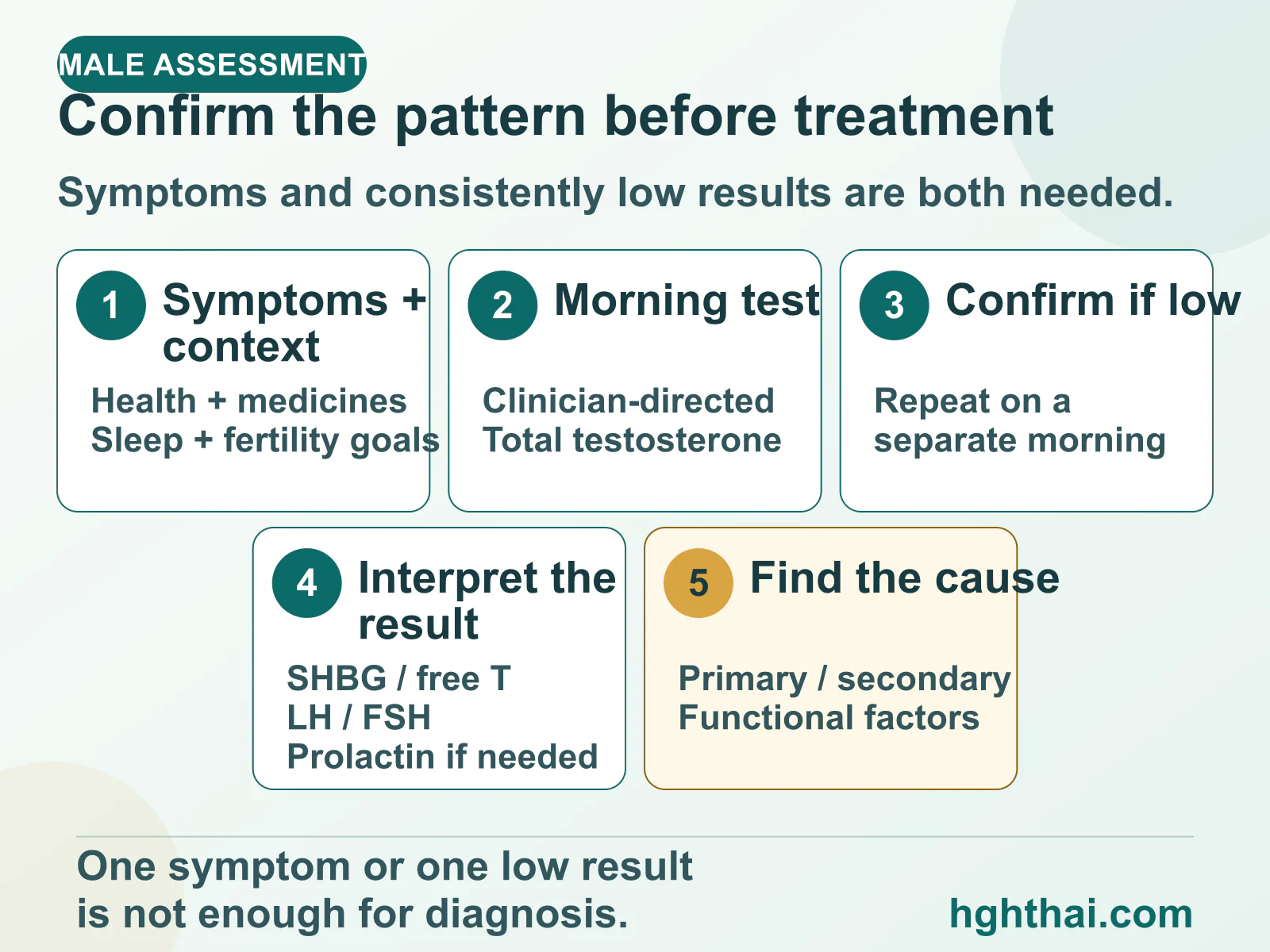
Assessment begins with symptoms and context, including health, medicines, sleep, and fertility goals. A clinician directs a morning total-testosterone test and confirms a low result on a separate morning. Depending on the situation, SHBG or calculated free testosterone, LH, FSH, or prolactin may help interpret the result. The final step is to distinguish primary, secondary, or functional contributors and consider fertility before treatment.
Hypogonadism means inadequate testicular function for the clinical context. In practice, male guidelines do not diagnose it from tiredness, age, appearance, or one laboratory flag. They require a compatible clinical picture and consistently low testosterone measured with an appropriate method and timing, followed by an effort to understand the cause.[1, 2]
Reduced sexual desire, fewer spontaneous or morning erections, erectile change, infertility, loss of body hair, small testes, breast symptoms, loss of height or low-trauma fracture, and certain changes in muscle or blood count can make the question more specific. Even these findings are not diagnostic by themselves.
Fatigue, lower motivation, depressed mood, poor concentration, weight gain, and reduced gym performance are much less specific. They can matter greatly to the person, but sleep apnea, anemia, depression, medicines, alcohol, chronic disease, under-recovery, and many other explanations may be more likely or may coexist. A responsible assessment does not rank the symptom as “real” or “not real”; it asks which explanation best fits.
Finding the cause matters because fertility, further testing, treatment, and follow-up differ.
Mixed patterns occur, especially with age and multiple illnesses. A low testosterone result should therefore open a diagnostic question rather than close it.
The Endocrine Society and the 2026 European Association of Urology guideline use the same core principle: compatible symptoms or signs plus unequivocally and consistently low measurements. For people on a conventional day schedule, an accurate fasting morning total testosterone is generally the starting measurement, with confirmation on another morning. Shift work, acute illness, sleep disruption, recent nutrition, and the laboratory method can alter interpretation.[1, 2]
Most circulating testosterone is bound to proteins, including sex hormone-binding globulin, or SHBG. When total testosterone is near a decision boundary or a condition that changes SHBG is present, an accurately measured or appropriately calculated free testosterone may help. Direct “free testosterone” assays are not interchangeable. This is why an online calculator or a single result from an unknown method cannot replace laboratory and clinical context.[1, 2]
This guide does not publish a universal cutoff. Guidelines use particular units, assays, reference standards, populations, and clinical criteria. Copying one number into a consumer checklist can create false diagnosis at both sides of the boundary.
Luteinising hormone and follicle-stimulating hormone—often called the gonadotropins—are pituitary signals that help regulate testosterone production and sperm development. Their pattern can help a clinician distinguish a predominantly testicular problem from a central signalling problem. Prolactin may be relevant in selected secondary patterns, symptoms, or medicine contexts.
A pituitary evaluation is not automatic for every low result. It becomes more relevant with an appropriately confirmed secondary pattern, very low values, elevated prolactin, headaches or visual symptoms, other pituitary-hormone concerns, or a known pituitary history. Imaging and additional tests are clinician-directed; they are not a consumer add-on panel.[1, 2]
Sleep apnea, obesity, significant systemic illness, under-nutrition, heavy alcohol use, opioids, glucocorticoids, and current or previous androgen exposure can affect the reproductive axis. Treating a contributor may improve health even if testosterone does not become the main treatment.
“Lifestyle” should not become a dismissive answer. A clinician still needs to investigate an unexpected or persistent pattern. Equally, hormone treatment should not be used to bypass a cause—such as untreated sleep apnea or a medicine effect—that needs attention in its own right.
Treatment for a clearly diagnosed pathological deficiency is a different clinical question from prescribing testosterone because of age, nonspecific symptoms, or a desired “optimal” level. Categories of medically used testosterone differ by route and formulation, but choosing among them, or deciding whether treatment is appropriate at all, requires individual prescribing. This article provides no product selection or regimen.
For age-related low testosterone, the American College of Physicians found low-certainty evidence and advised that treatment discussions focus on sexual dysfunction, not promises of more energy, vitality, physical function, or cognition. In the Testosterone Trials, 790 selected men aged 65 or older received testosterone gel or placebo for one year. Average sexual-function benefit was moderate, while the primary vitality and physical-function outcomes were not met; a companion trial found no cognitive benefit.[3, 4, 6]
The main 2016 Testosterone Trials report was corrected in 2018 after trial-database errors altered several physical-function values slightly. The corrected article preserves the overall interpretation above. The trials were mainly publicly funded, while AbbVie provided additional funding and the testosterone and placebo gels. Selected participants and one year of treatment do not answer every long-term question.[4, 5]
TRAVERSE’s full-analysis population included 5,204 men aged 45–80 with symptoms, two low fasting testosterone results, and cardiovascular disease or high risk; the safety population included 5,198 participants who received at least one dose. The investigators excluded 20 people from the full-analysis population because duplicate enrolment involved 42 patient-identification numbers. Testosterone was noninferior to placebo for the primary major cardiovascular outcome, but atrial fibrillation, acute kidney injury, and pulmonary embolism were more frequent with testosterone. Mean follow-up was 33.0 months and mean treatment 21.7 months; about 61% discontinued assigned treatment. Industry sponsors, led by AbbVie, funded the trial. The result is reassuring for the primary outcome in this monitored population; it is not proof of lifelong safety and does not apply to supraphysiologic nonmedical exposure.[7]
Exogenous testosterone suppresses the pituitary signals that support sperm production. The AUA/ASRM male-infertility guideline, amended in 2024, states that clinicians should not prescribe exogenous testosterone therapy to males interested in current or future fertility. Recovery after exposure varies, so fertility goals belong at the beginning of a treatment conversation, not after treatment starts.[8]
Before prescribed testosterone, clinicians generally confirm the diagnosis and assess issues that could change suitability, including fertility, blood count, prostate and breast concerns, severe untreated sleep apnea, recent major cardiovascular events, thromboembolic risk, urinary symptoms, and other relevant illness. The significance of each factor is individual; this is not a self-clearance list.
Monitoring asks whether the intended symptom improves, whether exposure remains appropriate, and whether adverse effects or safety markers emerge. A laboratory value moving into a target range does not prove that treatment helped the problem that mattered. If the target symptom does not improve after an appropriate reassessment period, the diagnosis, competing causes, goals, adherence, and risk-benefit balance need review. Escalating exposure to chase a feeling is not an evidence-based response.
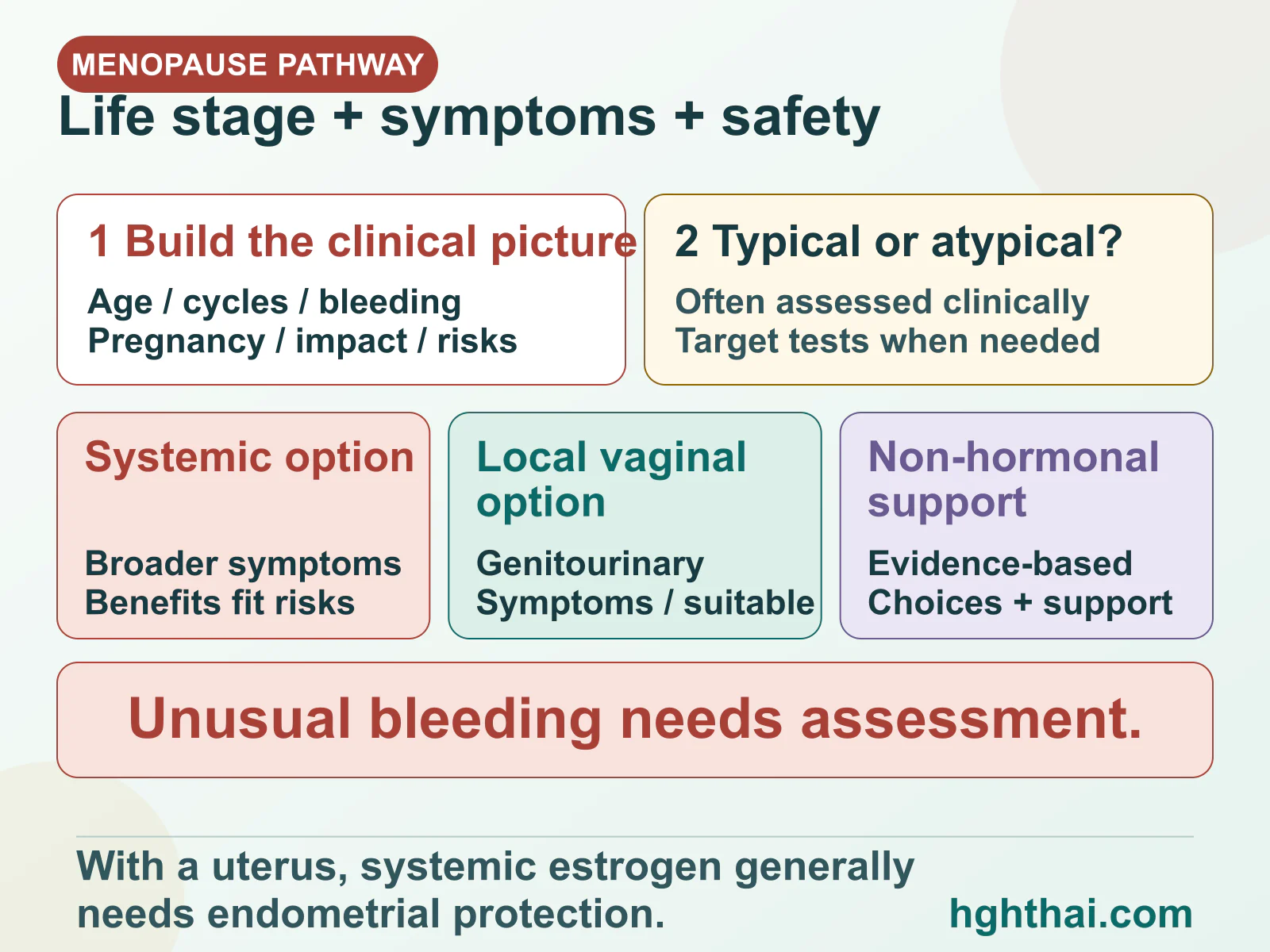
The clinical picture includes age, cycle history, bleeding, pregnancy possibility, symptom impact, and health risks. A typical presentation is often assessed clinically, while an early or atypical presentation may need targeted tests. Options may include systemic treatment for broader symptoms when benefits fit risks, local vaginal treatment for genitourinary symptoms when suitable, and evidence-based nonhormonal support. Unusual bleeding needs assessment. When the uterus is present, systemic estrogen generally requires endometrial protection.
Perimenopause is the transition leading to menopause. Menopause is identified after the relevant period without menstruation when no other physiological or pathological explanation applies. The experience is highly variable: some people have few symptoms; others have symptoms that affect sleep, work, relationships, sexual health, and quality of life.[9, 10]
Calling menopause a normal life stage should reduce stigma, not minimise suffering. It should also not turn every midlife symptom into menopause. The menstrual pattern, age, pregnancy possibility, contraception, surgery, medicines, and other health questions still matter.
Vasomotor symptoms are hot flushes and night sweats. Sleep may be disrupted directly by night sweats or by insomnia, mood, pain, caring responsibilities, or another health condition. Mood and concentration can change during the transition, but severe depression, progressive cognitive change, or a sudden mental-health crisis requires its own assessment.
Genitourinary syndrome of menopause, or GSM, describes estrogen-associated changes involving the vulva, vagina, bladder, and urethra. Dryness, burning, irritation, pain with sexual activity, urinary urgency, or recurrent urinary symptoms may occur. Infection, dermatological conditions, pelvic-floor problems, pain disorders, and other causes can look similar or coexist, so examination may be useful.[14]
Sexual concerns are not reducible to one hormone. Desire, arousal, orgasm, comfort, relationship factors, medicines, body image, sleep, mood, and pelvic health all deserve respect. Bone health also matters, especially with premature ovarian insufficiency, early menopause, prolonged low-estrogen states, low weight, fracture history, or other established risks. A symptom list does not measure bone strength.
NICE NG23, last updated in April 2026, recommends identifying perimenopause or menopause without laboratory tests in otherwise healthy people aged 45 or older who have a typical symptom and menstrual context. Hormone concentrations fluctuate during the transition, so one “snapshot” or a broad panel may create confusion rather than certainty.[9]
This does not mean that everyone over 45 has menopause, that testing is never useful, or that unusual bleeding should be ignored. Pregnancy, hormonal contraception, hysterectomy or ovarian surgery, medicines, and other medical conditions can obscure the pattern. Targeted tests may be appropriate when they answer one of those questions rather than attempt to prove a universal “imbalance.”
Symptoms or loss of menstrual periods at a younger age changes the assessment. Premature ovarian insufficiency, or POI, concerns loss of normal ovarian activity before age 40; early menopause occurs later but earlier than the usual population transition. Symptoms alone are insufficient. The 2024 international guideline uses an FSH measurement with the clinical picture; repeat FSH after 4–6 weeks is reserved for diagnostic uncertainty. Pregnancy, genetic or autoimmune factors, treatment history, and other causes may also need consideration.[27]
Removal of both ovaries causes a different and often abrupt hormonal change. Hysterectomy without removal of both ovaries changes bleeding as a marker but does not necessarily cause immediate menopause. Chemotherapy, pelvic radiation, pregnancy, postpartum physiology, breastfeeding, and hormonal contraception each alter the assessment and treatment discussion.
Heavy, persistent, intermenstrual, or otherwise unusual bleeding needs its own evaluation. Any bleeding after menopause warrants prompt medical assessment. It should not be assumed to be a routine hormone fluctuation.[28]
Pregnancy is a first consideration whenever biologically possible. Thyroid disease can affect cycles, energy, temperature tolerance, and mood. Hyperprolactinaemia can affect menstruation, fertility, and breast symptoms. PCOS can involve irregular cycles and androgen-related features. Hypothalamic amenorrhoea or low energy availability can follow under-fuelling, stress, illness, or high training load and has implications beyond menstruation.
Anemia, sleep disorders, mood disorders, medicines, chronic illness, pelvic conditions, and relationship or life context may contribute. Mentioning these possibilities is not an invitation to self-diagnose them. It explains why a careful history often adds more value than ordering every hormone.
Systemic menopausal hormone therapy, or MHT, is the most effective treatment for vasomotor symptoms and can address some other menopause-related concerns in appropriately selected people. It is not one uniform intervention: the estrogen, route, whether a progestogen is included, timing, duration, and individual history affect benefit and risk.
For a person with a uterus, systemic estrogen generally requires appropriate endometrial protection with a progestogen. Estrogen-only and combined therapy are therefore not interchangeable. A history of hysterectomy or specific specialist circumstances may change the framework. This article does not choose a formulation or regimen.
The 2022 Menopause Society position statement describes a generally favourable benefit-risk profile for appropriately selected symptomatic women younger than 60 or within 10 years of menopause onset, while emphasising individualisation. This population-level description is not a self-eligibility rule. Starting later, or living with particular cardiovascular, thromboembolic, liver, bleeding, or cancer histories, changes the discussion.[11]
The Women’s Health Initiative is often reduced to “HRT is dangerous” or “HRT is safe.” Neither slogan is adequate. In 18-year follow-up of 27,347 participants in two randomised trials, the specific studied regimens were not associated with higher or lower pooled all-cause mortality. That finding does not make every product, route, start time, duration, or health outcome equivalent.[12]
Isolated GSM does not automatically require systemic MHT. Moisturisers and lubricants may help some symptoms. Local low-dose vaginal estrogen has the strongest evidence among local hormonal treatments for GSM and produces much lower systemic exposure than systemic therapy. Current guidance also discusses other local or non-estrogen options for selected people.[14]
“Local” does not mean that history never matters. Persistent bleeding, uncertain diagnosis, previous hormone-sensitive cancer, treatment interactions, or symptoms that do not respond deserve individual review. Systemic MHT may not adequately resolve GSM by itself, and local treatment may still be considered when appropriate.
Menopause-specific cognitive behavioural therapy can help some people manage the effect of vasomotor symptoms and sleep difficulty. Evidence-supported prescription categories include certain antidepressant-class medicines, selected neurological medicines, and newer agents that act on temperature-regulation pathways. Availability, approval, contraindications, interactions, and cost vary by country.[13]
Exercise, sleep support, smoking cessation, moderation of alcohol, and addressing cardiovascular and bone health are valuable for general health. They should not be sold as guaranteed cures for hot flushes. Supplements and compounded products require the same scrutiny of evidence, quality, interactions, and regulation as other interventions.
A good treatment discussion names the symptom or health outcome being treated, the expected time frame, alternatives, and factors that may change risk. Monitoring considers symptom response, adverse effects, new bleeding, changing health history, and whether the original goal still matters. There is no universal rule that MHT must stop on a particular birthday; periodic reassessment is more useful than an arbitrary deadline.
Treatment cautions for MHT are not the same as those for testosterone or GH. Unexplained bleeding, known or suspected hormone-sensitive cancer, thromboembolic or cardiovascular history, liver disease, migraine pattern, and other factors may influence type, route, timing, or suitability. Only an individual assessment can put those factors together.
International consensus identifies postmenopausal hypoactive sexual desire disorder, after a formal biopsychosocial assessment, as the only evidence-based indication for systemic testosterone in women. That assessment considers biological, psychological, medicine, relationship, pain, and menopause factors. Average benefit is moderate and supported by short-term evidence; a total testosterone value does not diagnose this condition, and long-term safety is not established.[15]
Testosterone should not be promoted to women as a general treatment for fatigue, low mood, cognition, muscle gain, wellness, or anti-aging. Formulation quality and exposure matter, and supraphysiologic levels can cause harm.
“Bioidentical” is a chemical description, not proof that a product is safer, more natural, or more effective. Regulated hormone products that are chemically identical to human hormones exist. Custom-compounded products may have a role when a genuine clinical need cannot be met by an approved product, but major professional guidance does not prefer them routinely when regulated options can meet the need. Quality, evidence, and legal status must be evaluated in the relevant jurisdiction.[16]
MHT can treat defined menopause-related symptoms and protect bone in selected contexts. It should not be represented as a universal programme to prevent aging, preserve cognition, or extend life.
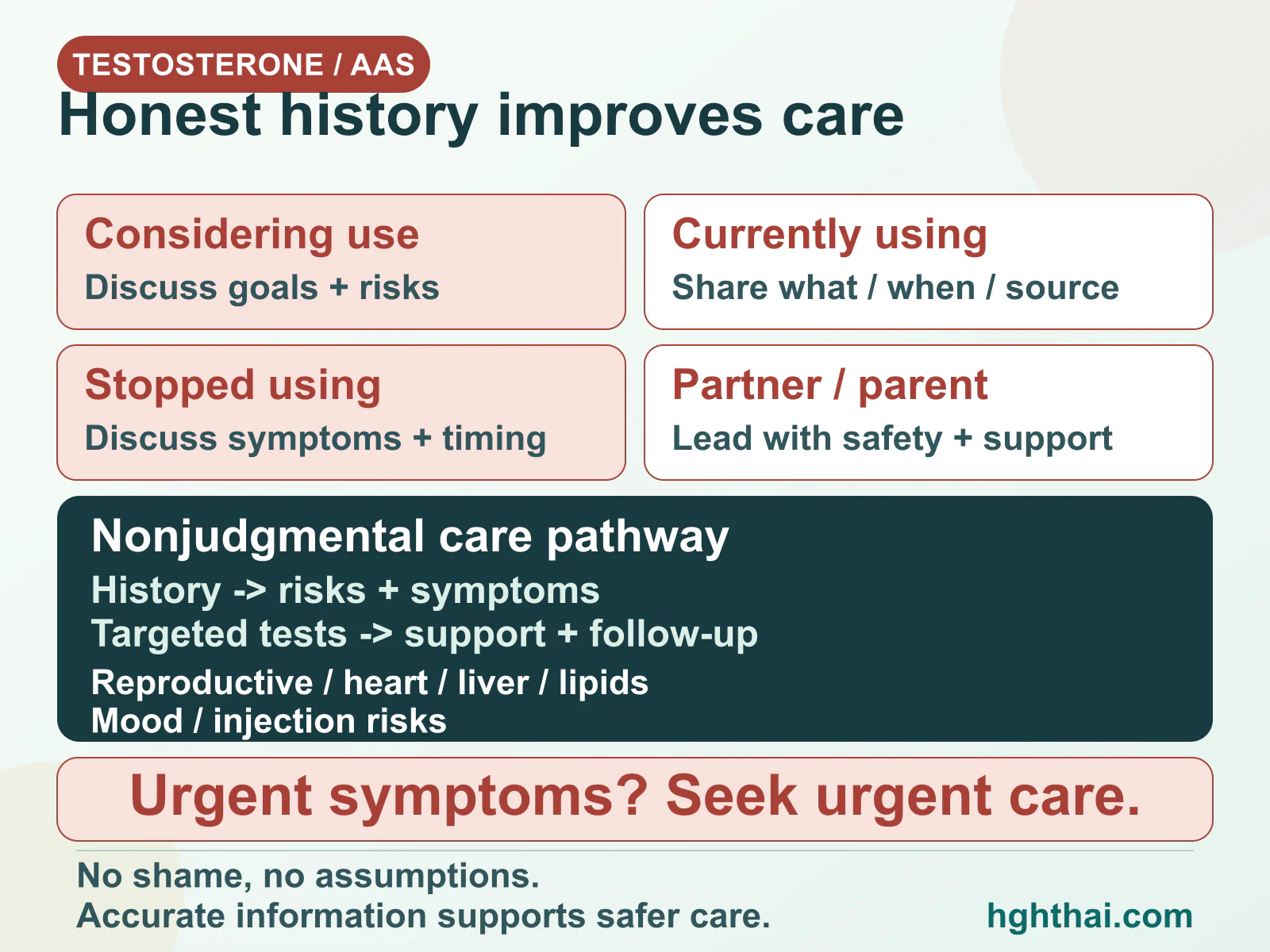
Four entry points are recognized: considering use, currently using, stopped using, and a concerned partner or parent. A nonjudgmental clinical pathway records what was used and when; assesses reproductive, cardiovascular, liver, lipid, mood, and injection-related concerns as relevant; uses targeted tests; and plans support and follow-up. New or unexplained breathing difficulty, chest pain, collapse, severe headache with visual or neurological change, or immediate self-harm danger needs urgent care. A painful, hot, swollen, or spreading injection-site area needs prompt medical assessment; shivering, fast breathing or heartbeat, confusion, faintness, clammy, pale, or purple skin, unresponsiveness, or rapid systemic deterioration needs emergency care. These signs do not diagnose a hormone or injection-related condition.
Testosterone prescribed as replacement for confirmed hypogonadism is not the same exposure as anabolic-androgenic steroids used for physique or performance. Nonmedical use may involve supraphysiologic exposure—levels above normal physiology—multiple substances, uncertain labels, and products without verified manufacturing or sterile controls. Evidence from prescribed replacement trials cannot be transferred to that setting.
Research on nonmedical AAS is largely observational and complicated by uncertain exposure, multiple-drug use, selection bias, and limited long-term follow-up. Reviews nevertheless associate use with suppression of LH and FSH, reduced sperm measures and testicular size, adverse cardiac remodelling, and psychiatric, metabolic, hepatic, renal, haematological, and infectious harms. Association does not predict one person’s outcome, and a normal result today does not guarantee safety.[17, 18, 19]
The lowest-risk way to avoid nonmedical AAS harm is not to start. A clinic consultation, fitness goal, influencer testimonial, or laboratory panel does not convert physique use into replacement for disease. Ask what exact outcome you want, what evidence applies to healthy users, what uncertainties remain, and whether training, nutrition, sleep, body-image distress, or another health concern needs a different response.
Counterfeit or falsified products may not contain what the label states. Contamination, poor storage, and uncertain sterility add risks that cannot be corrected by an online source review or a “trusted” seller. This article does not provide product, sourcing, injection, cycle, or risk-optimisation instructions.
Accurate disclosure makes care safer. Tell the clinician what the label said, the reported amount and frequency, route, dates, injection practices, other hormones, stimulants, medicines, supplements, alcohol or drugs, and any recent change. Because an unverified label may be inaccurate, say where uncertainty exists.
Depending on symptoms and exposure, a clinician may consider blood pressure, blood count, lipids, liver and kidney context, cardiac symptoms, endocrine suppression, fertility, mental health, and injection-related infection. This is not a menu for self-ordering tests. No set of normal results can make supraphysiologic use safe.
Do not rely on an online taper, “post-cycle therapy,” or withdrawal timetable. Stopping can be followed by fatigue, sexual symptoms, low mood, or other withdrawal concerns, while continuing exposure carries its own risks. Severe depression, suicidal thoughts, psychosis, chest pain, collapse, new or unexplained breathing difficulty, or systemic infection requires urgent help.
Persistent sexual, fertility, mood, breast, testicular, or performance concerns deserve a nonjudgmental assessment. Recovery of reproductive signalling and sperm production varies with exposure, duration, age, other substances, and individual biology. A fixed internet timeline cannot predict it.
Previous use can continue to affect the interpretation of current testosterone and gonadotropin results. Bring old laboratory reports and the most accurate exposure history available. Do not hide use because it has stopped.[17]
Choose a calm moment, focus on observed health or behaviour changes, and avoid threats or arguments about appearance. Encourage confidential care with a professional who can discuss both physical and mental health without shaming. Offer to help assemble a timeline or attend if invited.
Respect the person’s autonomy unless there is immediate danger. If there is severe agitation, psychosis, suicidal intent, collapse, chest pain, severe breathing difficulty, or a serious injection-related infection, seek urgent help. A parent or partner should not attempt to confiscate medicines, design a withdrawal plan, or interpret laboratory results as proof of safety.

The clinical pathway begins with a relevant pituitary or hypothalamic context, followed by clinical evaluation. IGF-1 is interpreted in context and cannot answer every case; validated stimulation testing is often needed. Monitored replacement belongs to confirmed deficiency. Healthy aging, bodybuilding, appearance goals, a random GH result, or nonspecific symptoms do not establish adult growth hormone deficiency, and evidence for diagnosed replacement should not be transferred to those uses.
Adult growth hormone deficiency, or adult GHD, is uncommon and usually considered because of known or suspected pituitary or hypothalamic disease—not because a healthy adult feels tired or wants to change body composition. Relevant contexts include a pituitary or nearby tumour, pituitary surgery, cranial radiation, significant head injury, infiltrative disease, a structural or genetic disorder, childhood-onset GHD requiring transition review, or deficiencies in other pituitary hormones.[20, 21, 34]
Symptoms such as low energy, reduced exercise capacity, altered body composition, or lower quality of life overlap heavily with common conditions. They cannot diagnose GHD. The more specific the pituitary history and the more pituitary axes affected, the more reasonable specialist evaluation becomes.
Growth hormone is secreted in pulses. A random GH concentration can therefore be low in a healthy person or catch a transient pulse without answering the diagnostic question. Insulin-like growth factor 1, or IGF-1, reflects GH action over a longer period and can support assessment, but it has important limitations. Age, nutrition, liver disease, diabetes, assay method, and other factors affect it. A normal IGF-1 does not always exclude GHD in a person with a convincing pituitary history, while a low value is not automatically diagnostic.[20, 21]
Specialist guidelines usually require a validated stimulation test, selected for the person’s clinical context and contraindications. Defined high-probability structural or genetic situations can be exceptions. Test choice, preparation, cutoffs, and interpretation belong with an endocrinology service; this is not suitable for direct consumer ordering.[20, 21]
For confirmed, clinically important adult GHD, replacement aims to address the consequences of that disease. Depending on the patient, evidence supports possible improvement in body composition, exercise capacity, skeletal health, or quality of life, with benefits varying and often greatest in more severe deficiency. These are not guaranteed outcomes.[20, 21, 34]
Fluid retention, swelling, joint discomfort, carpal-tunnel symptoms, and effects on glucose regulation can occur. Specialist monitoring follows symptoms, adverse effects, IGF-1 in context, other pituitary replacement, and relevant metabolic or clinical measures. Treatment is adjusted to the individual; this guide provides no dose or product advice.[20, 21, 34]
A systematic review of GH in healthy older adults found small average changes in fat and lean mass across short, limited trials, accompanied by more adverse effects. It did not establish meaningful anti-aging, cognitive, functional, or longevity benefit. The Endocrine Society’s 2023 scientific statement on hormones and aging preserves the same boundary.[22, 23]
Aging, fatigue, abdominal fat, low fitness, or a commercial “optimal” IGF-1 target is not adult GHD. Evidence for replacement in diagnosed pituitary disease cannot be extrapolated to cosmetic, fat-loss, bodybuilding, wellness, or longevity use.
A good assessment is a sequence, not a test panel.
Physical examination and testing should be proportionate. More data can create incidental abnormalities and false certainty. Conversely, dismissing a persistent pattern without a proper assessment is not evidence-based care.
The table below illustrates clinician reasoning. It is not a consumer laboratory-ordering menu.
| Clinical question | Tests that may be relevant when selected by a clinician | Why timing or confirmation matters | What the test cannot prove | What may be considered next |
|---|---|---|---|---|
| Suspected male hypogonadism | Accurate total testosterone; free testosterone when SHBG context makes it useful; LH/FSH and selected prolactin or pituitary evaluation | Testosterone generally needs appropriate morning collection and repeat confirmation; shift work, illness, sleep, food, assay, and binding proteins can matter | One low value cannot establish symptoms, cause, fertility status, or benefit from treatment | Confirm the pattern, distinguish testicular from central or functional causes, review contributors and fertility goals |
| Typical perimenopause in an otherwise healthy person aged 45 or older | Often no hormone test is required under NICE; targeted testing may address pregnancy or another suspected condition | Ovarian hormones fluctuate, so a single snapshot may mislead | A broad panel cannot measure symptom burden, rule out every cause, or select treatment automatically | Clinical identification, symptom-focused options, bleeding assessment when relevant, and individual benefit-risk discussion |
| Possible POI or early menopause | An FSH measurement interpreted with the clinical picture, plus tests selected for pregnancy, alternative causes, or associated conditions | Age, contraception, cycle pattern, and treatment history matter; repeat FSH after 4–6 weeks is reserved for diagnostic uncertainty | A result does not establish the cause or determine a complete long-term plan; symptoms alone are insufficient | Specialist or experienced care, cause assessment where appropriate, fertility and bone/cardiovascular-health discussion |
| Pituitary disease or possible adult GHD | IGF-1 in context, assessment of other pituitary axes, and usually a validated GH stimulation test | GH is pulsatile; stimulation methods and interpretation depend on the person and test | Random GH, IGF-1 alone, fatigue, or body composition cannot diagnose adult GHD | Endocrinology review, structural history and imaging records, then treatment discussion only if deficiency is confirmed |
| Common alternative or coexisting questions | Selected pregnancy testing, blood count or iron studies, thyroid or prolactin assessment, metabolic evaluation, sleep assessment, or other tests as the history indicates | Each question has its own timing, pre-test probability, and limitations | A “normal hormone panel” cannot rule out anemia, sleep apnea, mood disorder, medicine effects, or many other causes | Follow the strongest clinical leads rather than repeatedly expanding an unfocused panel |
Home collection, direct-to-consumer panels, and reference-range flags can provide measurements, but their value depends on whether the sample, method, timing, and interpretation fit a legitimate clinical question. When symptoms and results disagree, review the hypothesis and context instead of assuming the person or laboratory must be wrong.
Hormone treatments do not share one universal contraindication list. A concern relevant to one treatment should not be copied mechanically to another.
The first safety step is confirming that the person has the condition being treated. Fertility goals, blood count, prostate and breast concerns, severe untreated sleep apnea, recent major cardiovascular events, thromboembolic history, urinary symptoms, and other illness can affect suitability or monitoring. Clinicians reassess symptoms, exposure, haematocrit and other relevant findings. A normal testosterone value during treatment is not a complete safety assessment.[1, 2, 7, 8]
The symptom target, age and time since menopause, presence of a uterus, unexplained bleeding, hormone-sensitive cancer history, thromboembolic and cardiovascular history, liver disease, route, and treatment type all matter. Local treatment for GSM and systemic treatment are different exposure questions. New bleeding or a material change in health history should trigger review; periodic reassessment is preferable to a universal stop date.[9, 11, 14]
GH replacement belongs to confirmed deficiency managed by an appropriate specialist. Active malignancy, acute critical illness, glucose regulation, fluid retention, joint or nerve-compression symptoms, and the status of other pituitary hormones may change timing or monitoring. IGF-1 is interpreted alongside clinical response and adverse effects, not used as a wellness target.[20, 21, 34]
Nonmedical supraphysiologic exposure has no monitoring programme that makes it equivalent to replacement therapy. Blood pressure, blood count, lipids, liver and kidney context, cardiac symptoms, fertility, mental health, dependence, injection practices, and co-used substances may all need attention. Normal selected tests cannot exclude future harm, contamination, or a mislabeled product.[17, 18, 19]
Start with the clinician best able to assess the whole problem rather than the person most willing to sell a hormone.
Prepare a concise timeline; medicine and supplement list; prior results with dates and units; menstrual, pregnancy, contraception, or surgery history; fertility goals; and the most accurate testosterone/AAS exposure record available. Bring pituitary imaging, operative, radiation, or pathology records when relevant.
A foreign regulator’s approval does not establish Thai approval. Check the exact product, formulation, strength, indication, population, and current record through authoritative Thai Food and Drug Administration sources and authorised labelling. Registration, approval for one indication, commercial availability, recommendation, and reimbursement are different facts.[24, 35]
hghthai.com may help readers understand educational material and prepare questions. Contact is optional. It does not promise diagnosis, suitability, product access, clinic availability, treatment, or referral.
Arrange an assessment when a change is persistent, disruptive, progressive, unusual for you, linked to fertility or bleeding, or occurs with relevant pituitary, reproductive, treatment, medicine, or substance history. You do not need to decide which hormone is responsible first. Sudden or severe symptoms may need urgent care.
In men, a cluster of sexual symptoms with compatible reproductive or physical signs is generally more informative than fatigue alone. Changing cycles with vasomotor symptoms may support a perimenopause discussion. A pituitary history makes GHD more plausible. None of these patterns is diagnostic without the appropriate context.
A normal result can make one hypothesis less likely without explaining the symptom. Review whether the right question, timing, and method were used, then consider sleep, anemia, mood, medicines, nutrition, chronic illness, reproductive context, and other causes. Persistent symptoms still deserve care.
First ask whether it needs confirmation and whether illness, timing, medicines, binding proteins, contraception, or exogenous hormones affected it. The next step may classify the cause rather than repeat a broad panel. One abnormal value should not automatically trigger treatment.
Primary or internal-medicine care can begin a broad assessment. Endocrinology is useful for pituitary/GHD or complex multi-axis questions; gynaecology or menopause expertise for bleeding and menopause treatment; urology, andrology, or reproductive medicine for male fertility and testicular questions. Urgency overrides specialty.
It depends on the diagnosis, treatment, goals, response, and whether the cause is permanent or reversible. Some replacement treats enduring deficiency; other therapy addresses a life-stage symptom and is reassessed. Never assume lifelong use—or stop prescribed treatment—because of a general article.
Monitoring checks the intended symptom or outcome, adverse effects, relevant clinical findings, and treatment-specific laboratory measures. Testosterone, MHT, GH replacement, and AAS exposure require different frameworks. A changed biomarker is not enough if the person does not benefit or new risks emerge.
The original diagnosis may be incomplete, another cause may coexist, the symptom may not respond to that treatment, or the expected outcome may have been unrealistic. Reassessment is safer than escalating exposure. Review the diagnosis, goal, evidence, adherence, harms, and alternatives.
A home test may measure an analyte, but reliability also depends on sample collection, timing, assay, reference range, and the question being asked. It cannot provide examination, differential diagnosis, or cause. Do not use a direct-to-consumer result alone to start or change treatment.
No supplement category can be assumed to correct every diagnosed deficiency. Product composition, interactions, contamination, and evidence vary. Treat nutritional deficiency when it is actually present, but do not substitute marketing claims for diagnosis-specific care or prescribed replacement.
Often not. NICE recommends clinical identification in an otherwise healthy person aged 45 or older with a typical symptom and cycle pattern. Pregnancy possibility, contraception, surgery, younger age, unusual symptoms, or another suspected condition can make targeted testing appropriate.[9]
Local vaginal treatment targets GSM symptoms in nearby tissues with much lower systemic exposure. Systemic MHT treats vasomotor and other systemic menopause-related symptoms. They are not interchangeable, and isolated GSM does not automatically require systemic therapy.[14]
No. MHT can treat defined menopause-related symptoms and has other evidence-based uses in selected people. It should not be promised as a universal way to prevent aging, preserve cognition, improve every symptom, or extend life.[11, 12]
“Bioidentical” describes molecular similarity, not proven superiority. Regulated bioidentical products exist. Custom-compounded products may be appropriate for a genuine unmet formulation need, but professional guidance does not routinely prefer them when regulated options can meet the need.[16]
Evidence supports consideration only for selected postmenopausal women with carefully assessed hypoactive sexual desire disorder after a biopsychosocial assessment. Average benefit is moderate and based on short-term evidence; a testosterone level does not diagnose the condition, and long-term safety is not established. Testosterone is not an evidence-based general treatment for female fatigue, mood, cognition, muscle gain, or anti-aging.[15]
Yes. Previous exposure can suppress reproductive signalling and sperm production and can alter how current symptoms and laboratory results are interpreted. Recovery varies. Tell the clinician what was used, when, and with what other substances; do not rely on a fixed online recovery timetable.[17]
Listen without shaming, describe observed changes, encourage confidential care, and help prepare a timeline if invited. Do not diagnose, design withdrawal, or treat one laboratory result as proof of safety. Seek urgent help for immediate physical or mental danger.
Adult GHD usually arises in a recognised pituitary or hypothalamic context and commonly requires validated stimulation testing. Normal aging includes lower GH secretion but is not itself GHD. Evidence for replacement in diagnosed disease does not justify HGH for healthy aging, fat loss, physique, or longevity.[20, 21, 22, 23]
Key sources include:
Evidence last checked: 24 August 2026. Next scheduled evidence review: 24 February 2027. Review earlier if material evidence changes, a safety communication appears, a source is corrected or retired, or Thai-regulatory status changes. The Endocrine Society’s 2015 menopause clinical practice guideline was retired in 2025 and is not represented here as current guidance.
Women and men share sex hormones. Learn how glands, enzymes and receptors shape their effects, why levels vary, and why a blood test needs context.

Learn when hormonal changes may need assessment, how testosterone and menopause pathways differ, and why AAS use and adult GHD require separate care.

How Your Body Truly Recovers — a Science-Based Guide หมายเหตุสำหรับคนไทย: บทความนี้เขียนเป็นภาษาอังกฤษเป็นหลักแต่มีภาษาไทยสั้น ๆ แทรกไว้ เพื่อให้คนไทยอ่านแล้วจับประเด็นได้ง่ายขึ้น Most people believe that physical improvement happens during exercise, but true